
PatientTrac Companion | Reimbursement Series
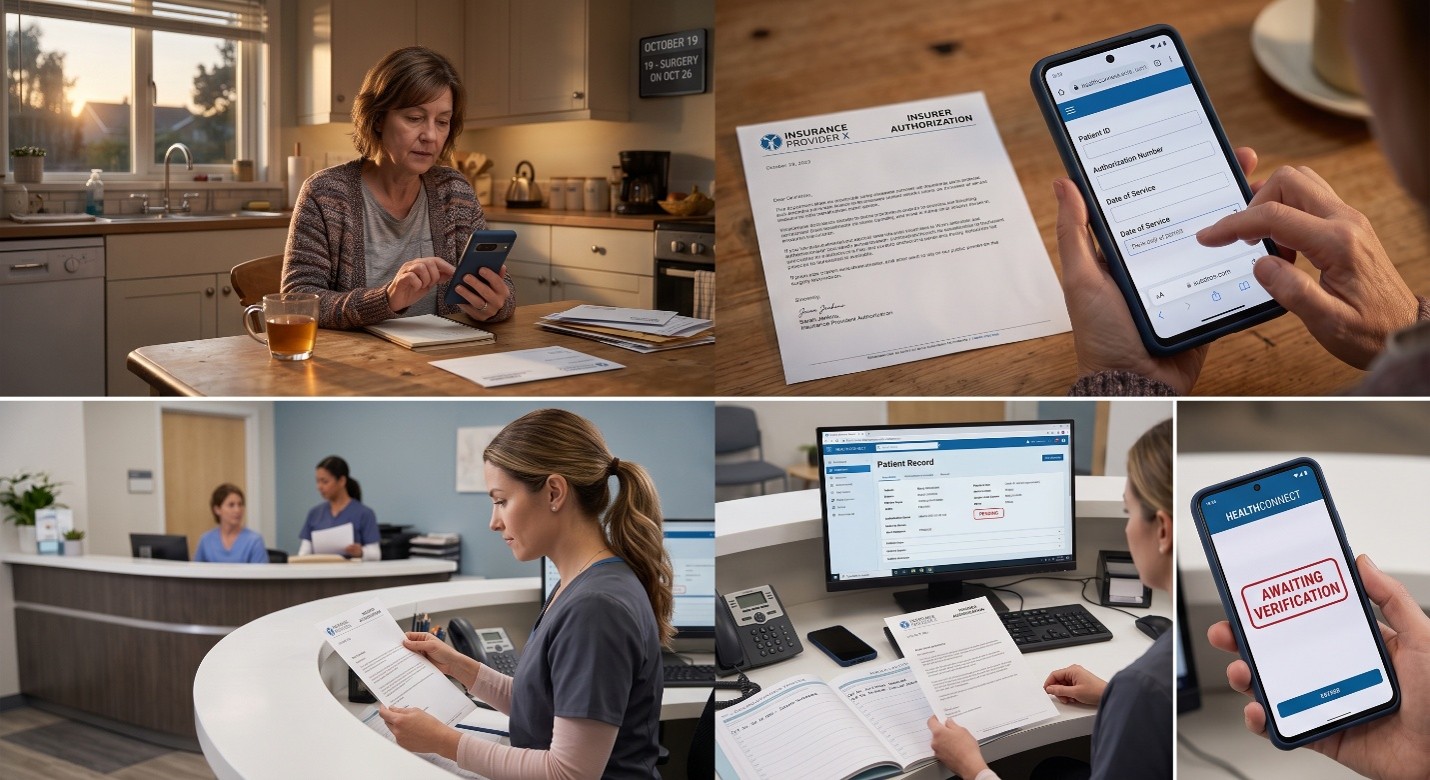
The on-call oncologist's phone lights up on the nightstand. The answering-service transcript reads: patient on chemotherapy, temperature 101.4, requests callback. She opens a laptop in the dark kitchen and logs in remotely. The regimen, the last blood counts, and the date of the last infusion are all two clicks away, or they are not.
That callback is one of the enhanced services EOM pays for, and CMS describes it precisely. The agency's patient-facing description of EOM promises 24/7 access to an appropriate clinician with real-time access to your medical records, along with patient navigation services.
The detail about real-time access matters. A clinician who answers at 2 a.m. without the regimen and the latest counts is providing access in name only. The standard applies to every EOM participant, whether a three-physician community practice or a large multisite group.
Evidence supports the value of routing patient-reported symptoms to clinicians who can respond. In the randomized symptom-monitoring trial by Basch and colleagues, published in the Journal of Clinical Oncology, emergency-department use was lower in the intervention group (34% versus 41%), and nurses frequently initiated clinical actions after symptom alerts. The study does not prove that every after-hours callback prevents an emergency visit, but it supports the importance of connecting a reported symptom to a responsive care workflow.
Most practices document overnight calls in two places at once. The answering service keeps a transcript, and the clinician writes a note the next morning from memory. The timestamps rarely line up, and the patient's own symptom history from earlier that evening is often in neither.
PatientTrac Companion is designed to keep the whole night in one trail. The patient's temperature entry, the message to the care team, the callback, and the clinician's decision share a timeline linked to the care plan. In the morning, the navigator sees what happened without reconstructing it.
The on-call oncologist makes her decision, and the patient either goes to the emergency department or waits for the morning clinic. By the time the practice's quality report runs weeks later, the question is whether anyone can still show what was known at 2:07 a.m.
Primary Sources
- CMS — EOM Frequently Asked Questions
- Basch et al., Journal of Clinical Oncology (2016) — Randomized symptom-monitoring trial
Explore the Remote Care Perspectives Series
- Section overview
- 1. "Does Medicare Pay for This App?" Is the Wrong Question
- 2. What $110 a Month Actually Buys in Oncology
- 3. CMS Requires ePROs but Doesn't Pick Your Vendor
- 4. The 2 A.M. Call
- 5. Why Typing Your Symptoms Isn't Remote Monitoring
- 6. The Short-Burst Recovery Window
- 7. Minutes Are Money, If You Can Prove Them
- 8. Canada: Ten Provinces, Ten Rulebooks
- 9. The NHS Doesn't Bill. It Commissions.
- 10. Reimbursement as a Feature, Not a Promise