


PatientTrac Companion | Reimbursement Series
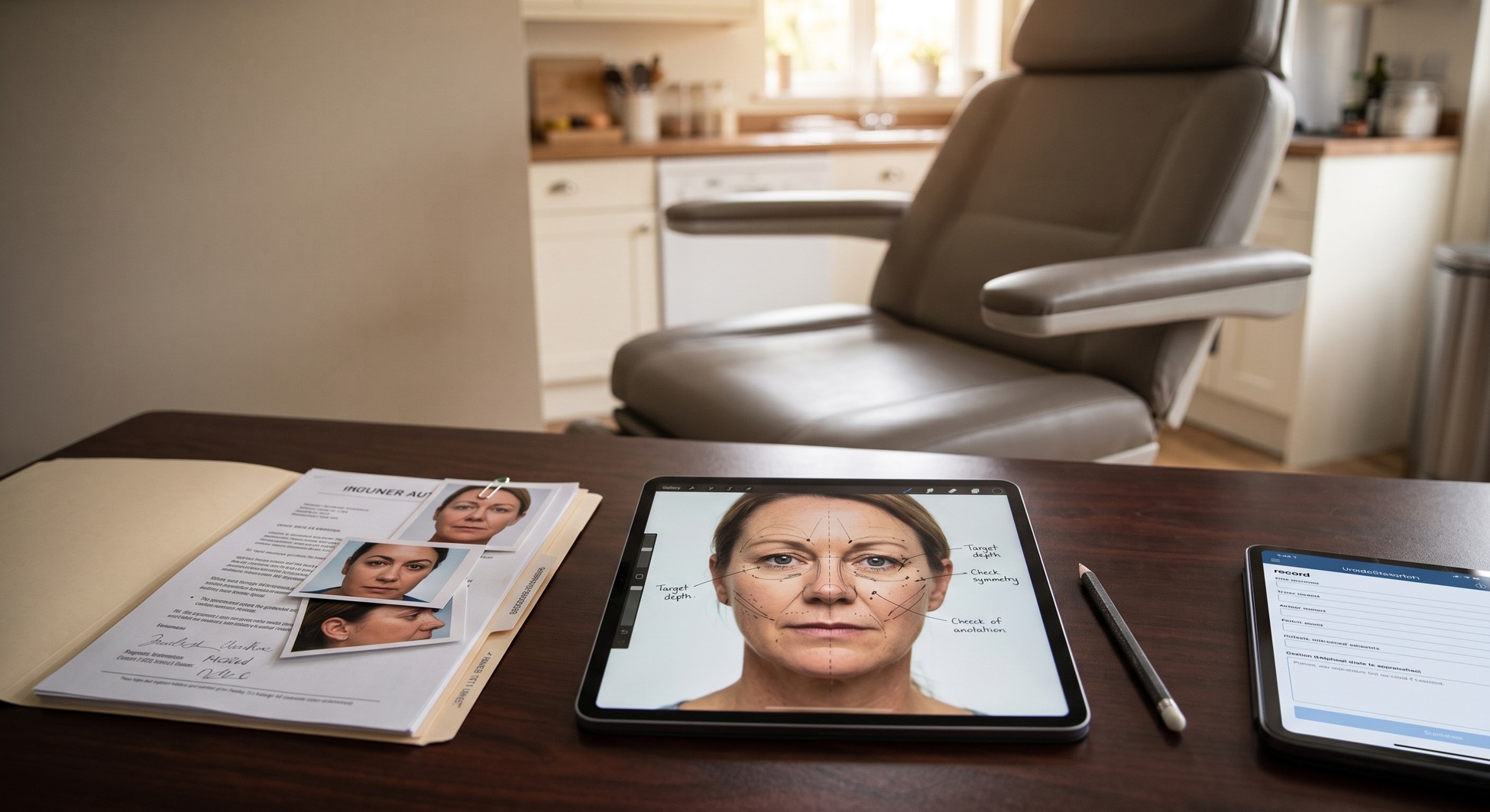
The brochure sits on the practice administrator's desk with one word circled in blue ink: reimbursable. She turns it over, looking for a billing code. The back is blank. She opens the Medicare fee schedule lookup, types the product's name, and presses enter. The results panel stays empty.
That empty results panel is Medicare working as designed. The fee schedule lists services a clinician performs, and it never lists the software used to perform them.
Chronic care management shows the pattern. Beginning January 1, 2015, Medicare began paying separately under the Physician Fee Schedule for CPT code 99490, covering non-face-to-face care coordination for beneficiaries with multiple chronic conditions. The code describes at least 20 minutes of clinical staff time per calendar month, directed by a physician or other qualified health care professional. It names minutes, a care plan, and a patient. It names no product.
The same rule binds every practice that bills Medicare, whatever its specialty or size. A code pays for work, and the claim has to prove the work happened.
Oncology follows the same logic at a larger scale. Under the Enhancing Oncology Model, CMS raised the base Monthly Enhanced Oncology Services payment from $70 to $110 per individual per month in its 2025 design update. That money goes to the practice for delivering enhanced services. None of it goes to a vendor by name.
This is where PatientTrac Companion belongs in the conversation. Companion does not ask a payer for anything. It sits inside the work a payer already funds: the symptom check-in, the care-plan update, the message answered at night. Each of those becomes a record the practice can point to when the claim is questioned.
A vendor who promises that the app is reimbursed is promising something no fee schedule contains. A vendor who shows how the app documents reimbursable work is describing the fee schedule accurately.
The administrator's search box will stay empty no matter which product she types. What she can still find out is whether the work her staff already does leaves the evidence a claim requires.
Primary Sources
Explore the Remote Care Perspectives Series
- Section overview
- 1. "Does Medicare Pay for This App?" Is the Wrong Question
- 2. What $110 a Month Actually Buys in Oncology
- 3. CMS Requires ePROs but Doesn't Pick Your Vendor
- 4. The 2 A.M. Call
- 5. Why Typing Your Symptoms Isn't Remote Monitoring
- 6. The Short-Burst Recovery Window
- 7. Minutes Are Money, If You Can Prove Them
- 8. Canada: Ten Provinces, Ten Rulebooks
- 9. The NHS Doesn't Bill. It Commissions.
- 10. Reimbursement as a Feature, Not a Promise